Is Reverse Osmosis Water Safe to Drink? An Irvine Homeowner's Guide
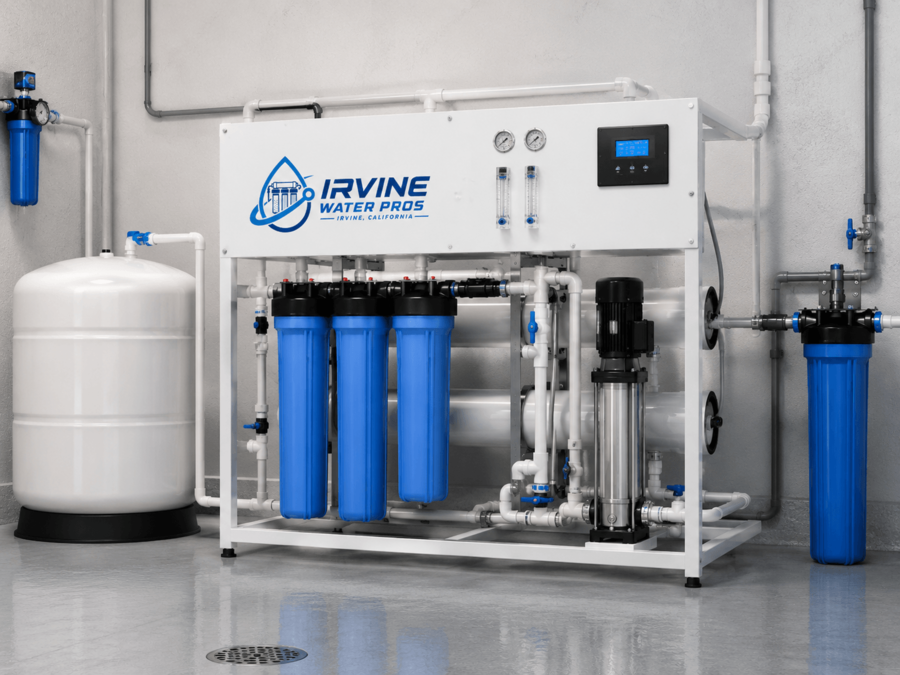
- Reverse osmosis (RO) forces water through a fine membrane that removes germs and a wide range of dissolved chemicals.
- The CDC says RO can remove lead, copper, chromium, chloride, and sodium, and reduce arsenic, fluoride, nitrate, calcium, and magnesium.
- RO water is safe to drink; it is simply very low in dissolved minerals.
- The small amount of calcium and magnesium RO removes is easily replaced through a normal diet, and many systems add a remineralization stage.
- RO is a point-of-use system, usually installed under the kitchen sink for drinking and cooking water.
- Look for a system certified to NSF/ANSI Standard 58, the standard for reverse osmosis.
Reverse osmosis is one of the few home systems that can pull lead, arsenic, and dissolved salts out of tap water using little more than pressure and a membrane. That power is exactly why people ask: is reverse osmosis water safe to drink, or does it remove so much that the water becomes too pure? For Irvine homeowners weighing an RO system, here are clear, expert-backed answers.
What does reverse osmosis actually remove?
Reverse osmosis removes both germs and a broad set of dissolved chemicals. The CDC reports that RO filters remove germs and some chemicals, including lead, copper, chromium, chloride, and sodium, and may also reduce arsenic, fluoride, radium, sulfate, calcium, magnesium, potassium, nitrate, and phosphorus. The EPA similarly lists reverse osmosis among the treatments effective for removing chloride, total dissolved solids, and other inorganic substances in its secondary standards guidance. In short, RO tackles both contaminants and the dissolved minerals behind hard-water taste.
Is reverse osmosis water safe to drink?
Yes, reverse osmosis water is safe to drink. Because an RO membrane removes such a wide range of contaminants, the water that comes out is exceptionally clean and low in dissolved solids. The common worry that RO water is somehow too pure confuses low mineral content with a health risk; they are not the same thing. Water being low in calcium and magnesium does not make it unsafe, it simply makes it taste crisp and neutral.
Does RO strip out healthy minerals?
Reverse osmosis does reduce calcium and magnesium along with contaminants, but the amounts involved are small compared with what your diet provides. The USGS notes that while drinking water can be a minor contributor of calcium and magnesium, most people get the vast majority of these minerals from food. If you still want them back in your glass, many RO systems include a remineralization stage that adds a small, controlled amount of minerals for taste. Here is what an RO system typically reduces:
- Lead and copper that can leach from older plumbing
- Chloride, sodium, and sulfate that add a salty taste and raise total dissolved solids
- Nitrate, and reduced levels of arsenic and fluoride
- Calcium and magnesium, the hardness minerals that cause scale
- Most germs, thanks to the membrane's extremely small pore size
Curious what is actually in your Irvine tap water? An on-site test tells you exactly what an RO system would remove for your home.
Get a Free QuoteDo Irvine homes need reverse osmosis?
Reverse osmosis makes the most sense when you want the cleanest possible drinking water or your tap water is high in dissolved solids. Irvine's supply, delivered by the Irvine Ranch Water District as a blend of imported water and local Orange County groundwater, tends to carry noticeable minerals and total dissolved solids, which RO addresses right at the tap. Because RO is a point-of-use system, it is usually installed as an under-sink unit for the water you drink and cook with rather than for the whole house. A reverse osmosis system or a compact under-sink drinking water filter both fit neatly in a kitchen cabinet.
Reverse osmosis vs. a simple carbon filter
A carbon filter mainly improves taste and removes chlorine, while reverse osmosis goes much further by also removing dissolved solids, metals, and germs. If your only complaint is a chlorine taste, a carbon filter may be all you need. If you want the broadest possible reduction of contaminants in your drinking water, RO is the stronger option. Neither is universally correct; it depends on what your water test shows and what you want from your glass.
Reverse osmosis water is not too pure to drink. It is simply very clean water with fewer dissolved minerals, and any you want back can be added in a final remineralization stage.
How do you choose and maintain an RO system?
Choose a system certified to NSF/ANSI Standard 58, which the CDC identifies as the standard for reverse osmosis, so you know it performs as claimed. Maintenance is straightforward but not optional: the pre-filters and the membrane must be replaced on the manufacturer's schedule to keep the system working and to prevent germs from growing in a neglected filter. Staying on top of filter service and maintenance is what keeps RO water tasting clean year after year. As with any filter, the CDC recommends testing your water or reviewing your utility report first so you know what you are treating.
Sources: U.S. Centers for Disease Control and Prevention, About Choosing Home Water Filters (cdc.gov); U.S. Environmental Protection Agency, Secondary Drinking Water Standards (epa.gov); U.S. Geological Survey, Hardness of Water (usgs.gov).
Have a Question About Your Water?
The fastest way to real answers is an on-site water test. We'll measure it, explain it, and tell you honestly what — if anything — you need.
Get a Free QuoteCall (949) 687-3362 — Irvine's licensed, test-first water team.